At Green Bliss Foundation, we believe that when women and youth are empowered with knowledge, leadership, and skills, sustainable and climate-resilient communities follow. Our work is rooted in real people, practical solutions, and measurable impact — not just projects.


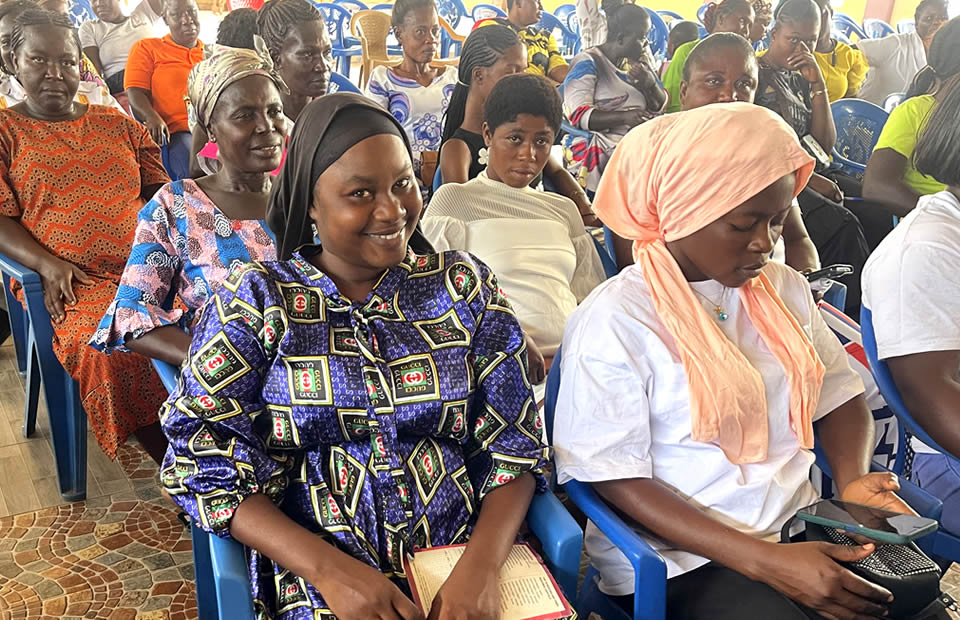
Phase II focused on three interconnected pillars — Leadership Development, Livelihood Skills Training, and Financial Literacy — reaching over 1,000 women and youth, with particular emphasis on empowering women as leaders, entrepreneurs, and change agents within climate-vulnerable landscapes.
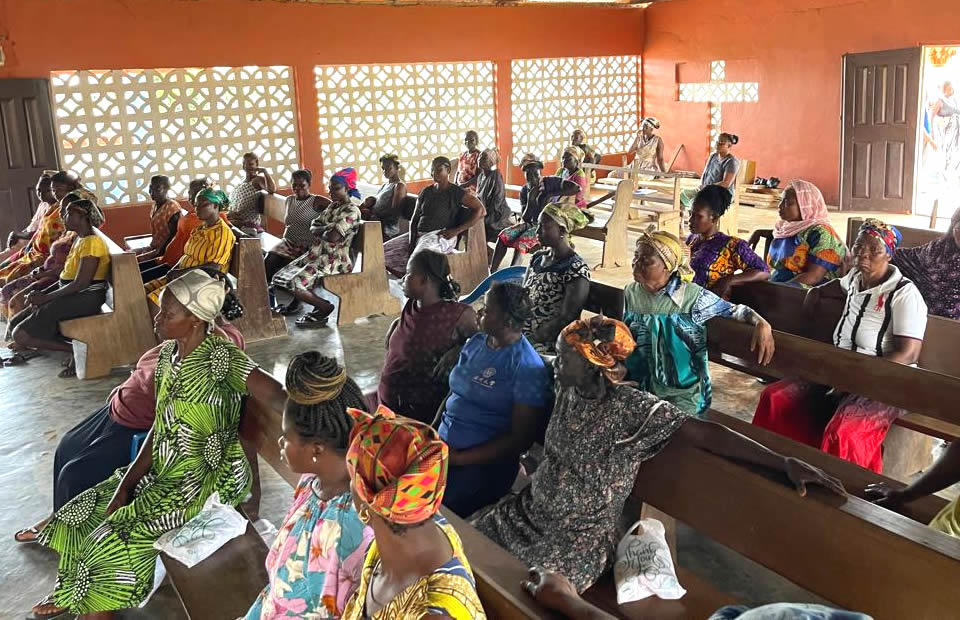
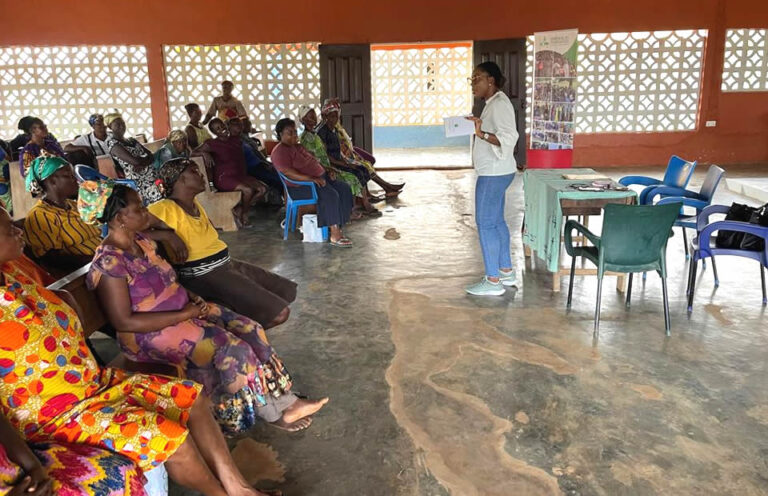
The trainings were conducted across Wansamire, Hiawu Besease, Abesewa, Aburaso, Nkawie, and Mankraso, using practical, culturally responsive, and community-embedded approaches designed to meet women where they are — literally and figuratively.
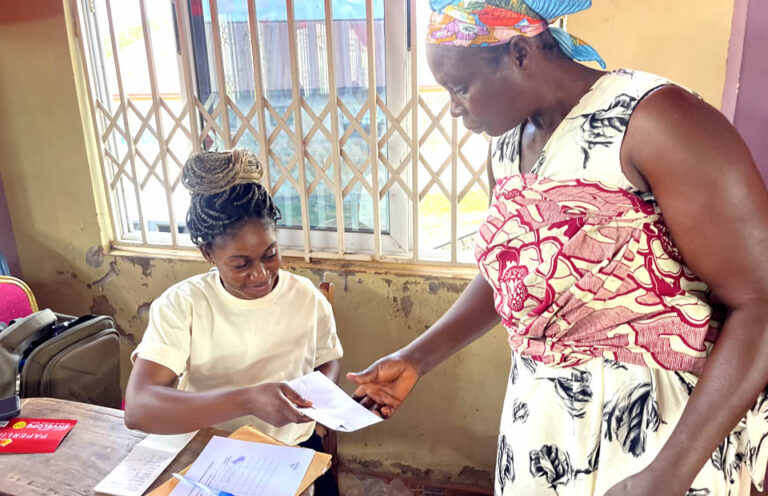
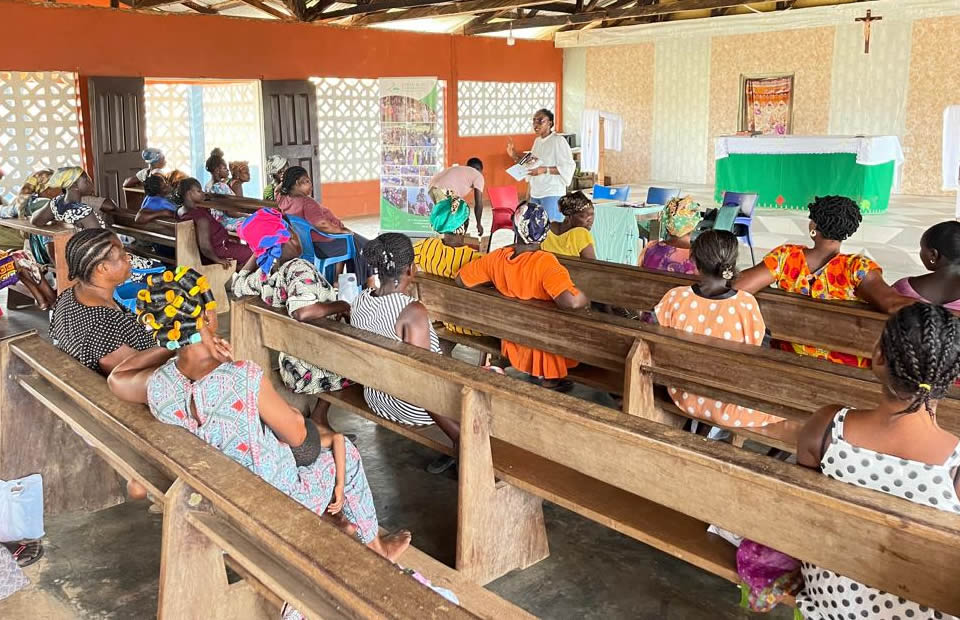
The Phase II activities were delivered intentionally and inclusively between 11th and 28th November 2025, reaching over 1,000 beneficiaries across the communities of Wansamire, Hiawu Besease, Abesewa, Aburaso, Nkawie, and Mankraso. These trainings were deeply rooted in community realities — bringing learning to market stalls, homes, and meeting places where women live and work every day.
Women and youth remain at the frontline of these challenges — and solutions. Phase II therefore intentionally positioned them as:
• Community leaders
• Responsible financial decision-makers
• Entrepreneurs with climate-smart livelihoods
The Phase II trainings were delivered sequentially to ensure learning continuity and real-world application:
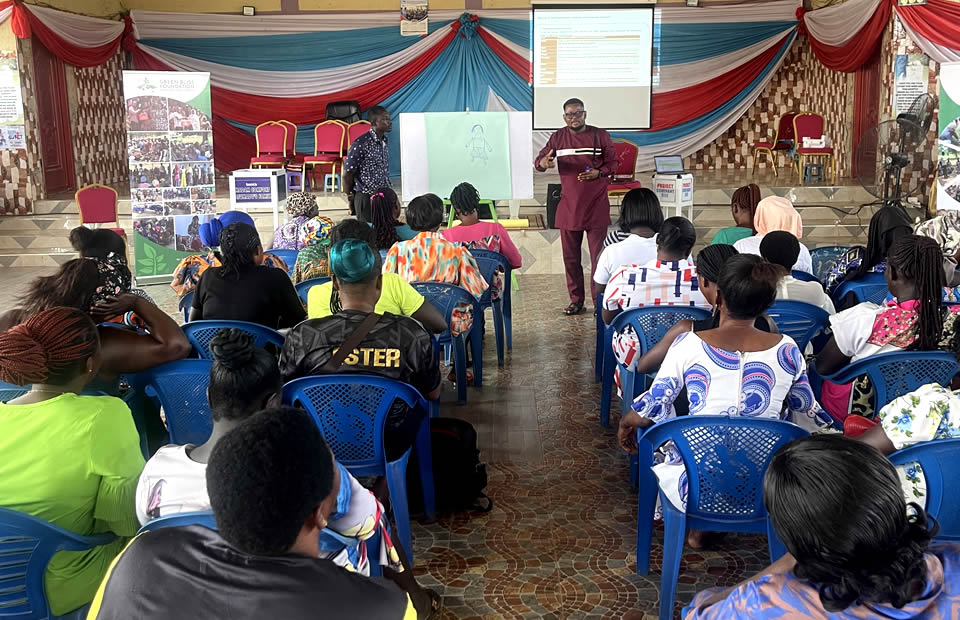
1. Leadership Development
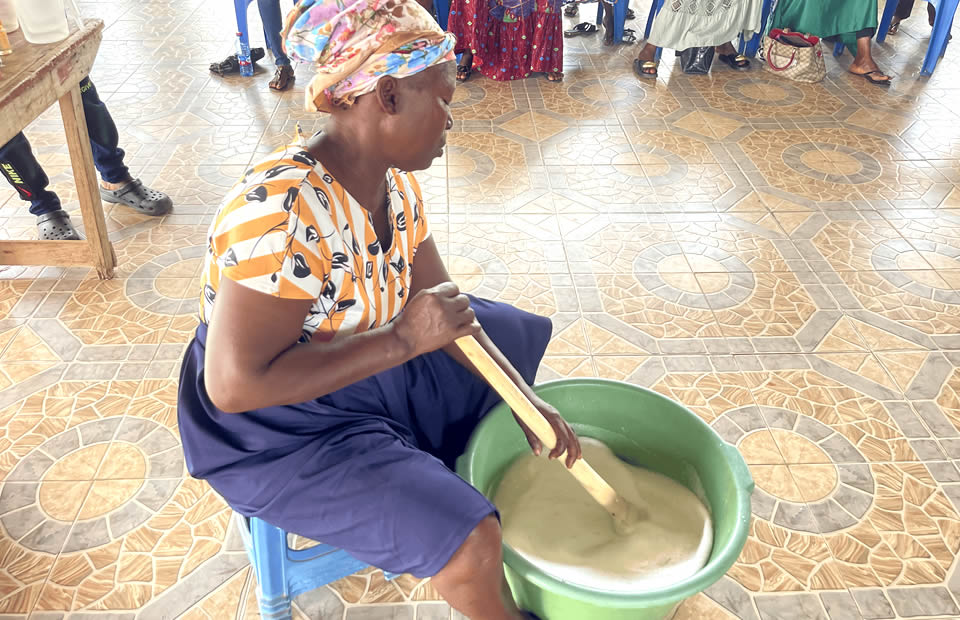
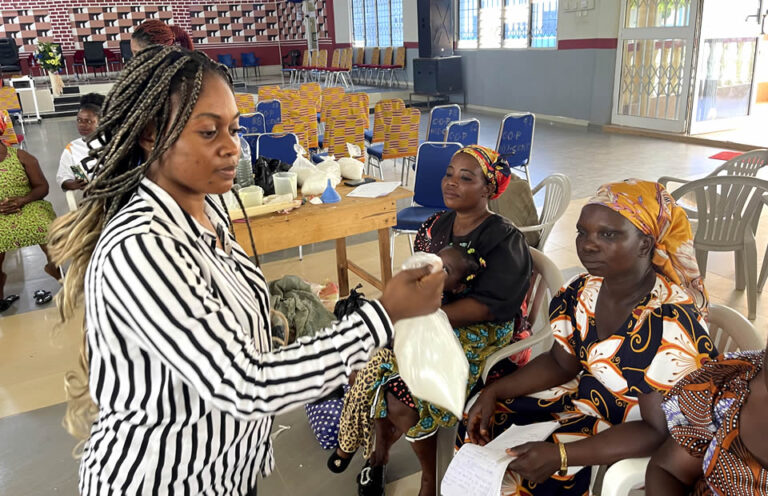
2. Livelihood Skills (Soap Making)
3. Financial Literacy
Each session emphasized:
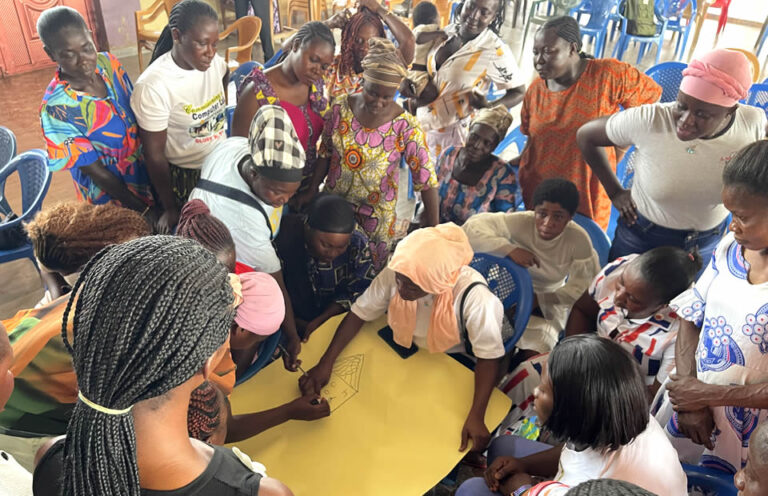
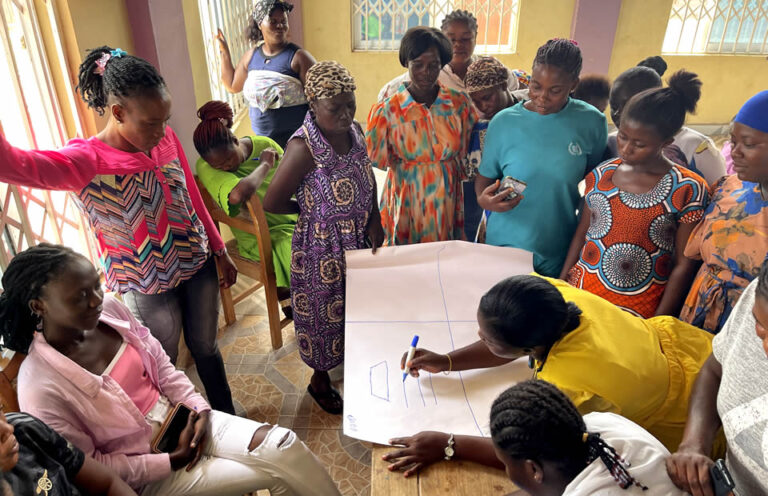
• Hands-on learning
• Participatory discussion
• Practical and relatable examples
• Context-specific teaching methods
• Field outreach to include women unable to leave their market stalls.
Participants were consistently reminded of their role as change agents within the GRILMaP framework, contributing to resilient livelihoods and sustainable landscapes.
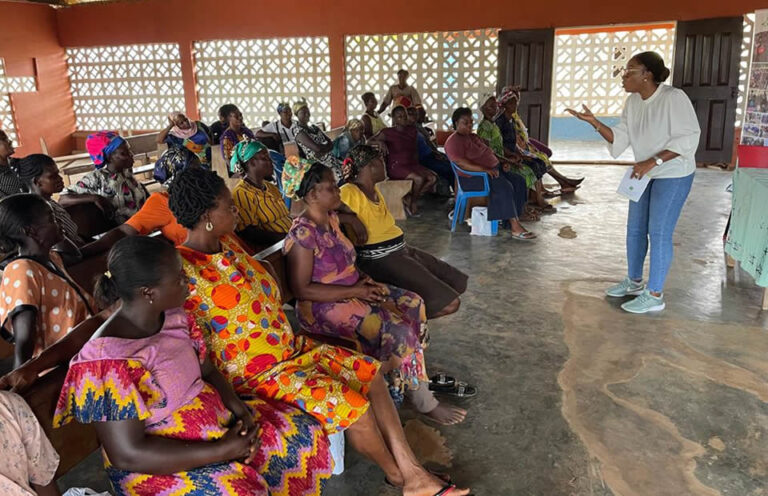
The leadership training built on Phase I foundations, going deeper into personal growth, accountability, and community influence. Sessions were highly interactive and community-embedded — with facilitators moving from homes to markets, engaging women who could not leave their businesses unattended.
“Leadership is beginning where I am — right here by my tomatoes and pepper stand. I didn’t know I could learn without leaving my table.”
— Market vendor, Wansamire
This inclusive outreach approach strengthened trust, visibility, and participation — particularly among market women, petty traders, nursing mothers, and youth vendors.
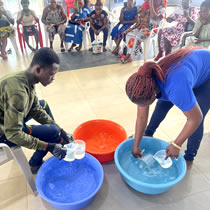
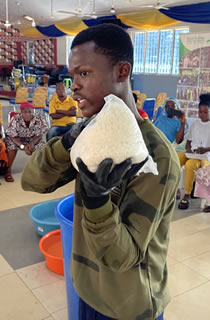
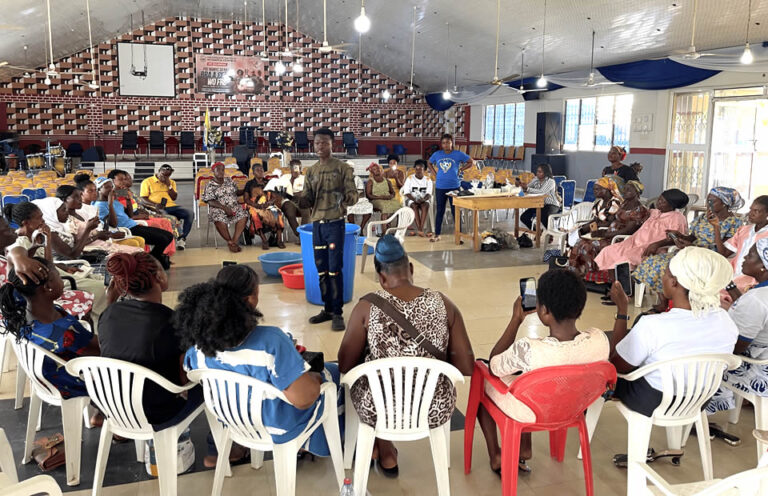
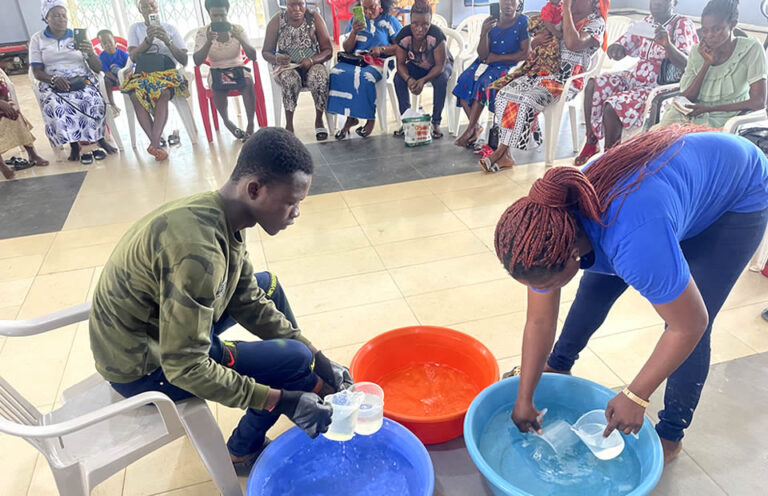
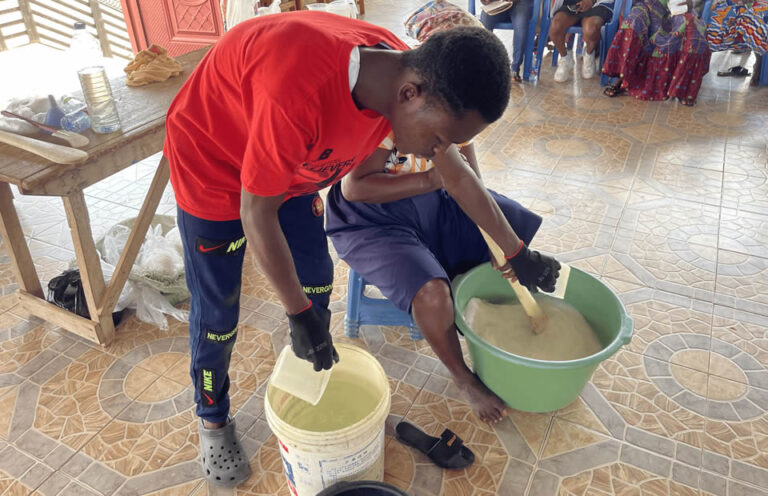
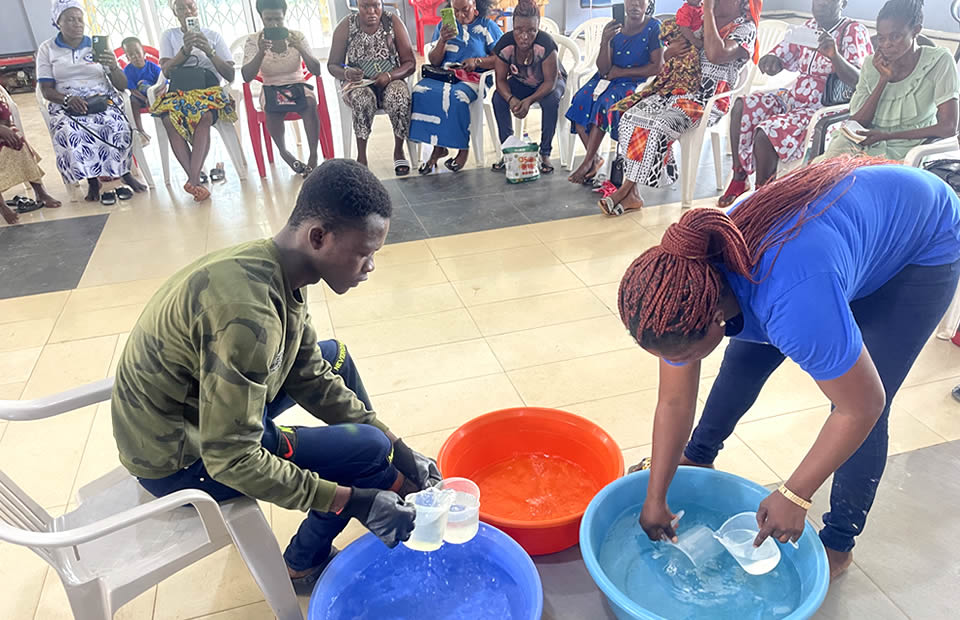
Following a livelihood preference survey conducted on 16th November 2025, soap making emerged as the most preferred income-generating skill among women. The assessment engaged executive leads from 87 women’s cooperatives, with data collected using the Kobo mobile tool.
This training demystified soap production, making entrepreneurship feel achievable, profitable, and immediate.
By the end of the training:
• All participants produced finished soap samples
• Women demonstrated independent replication skills
• Cooperative leaders initiated group business discussions
• New inter-community cooperative networks were strengthened
This training demystified soap production, making entrepreneurship feel achievable, profitable, and immediate.
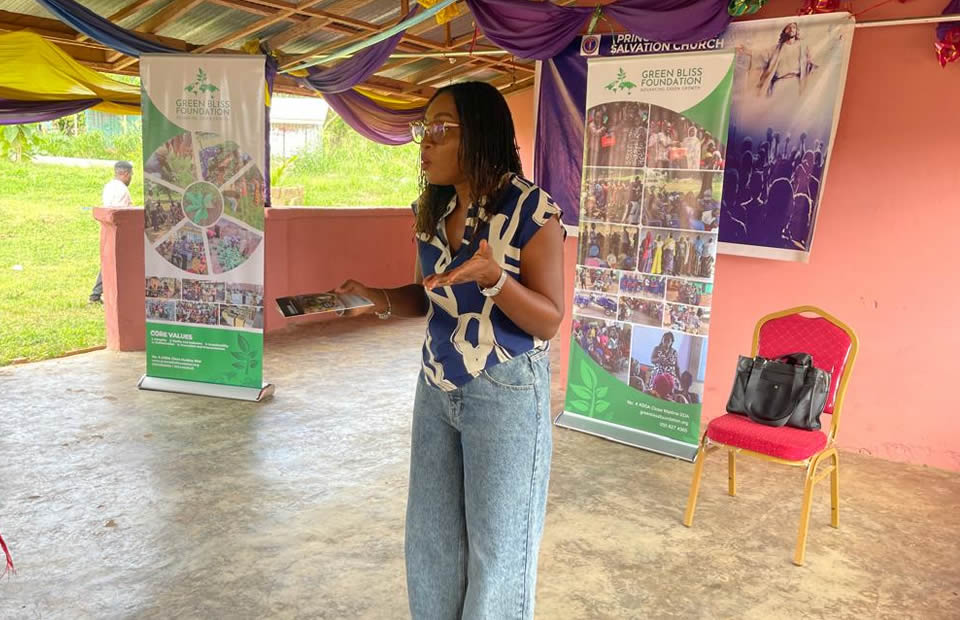
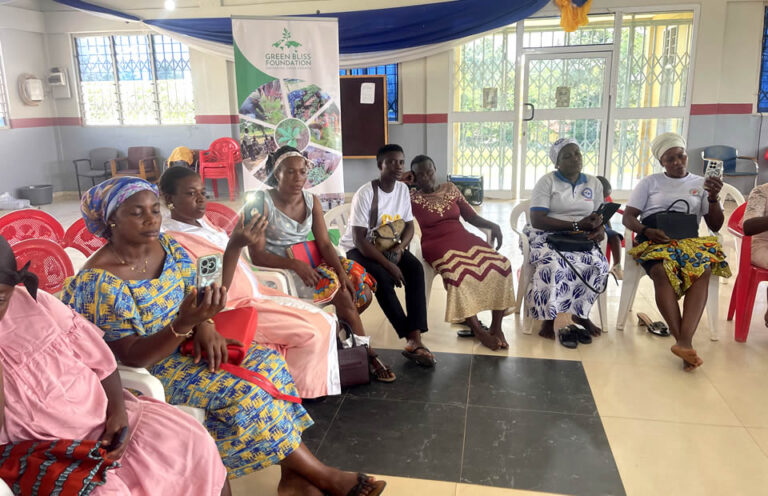
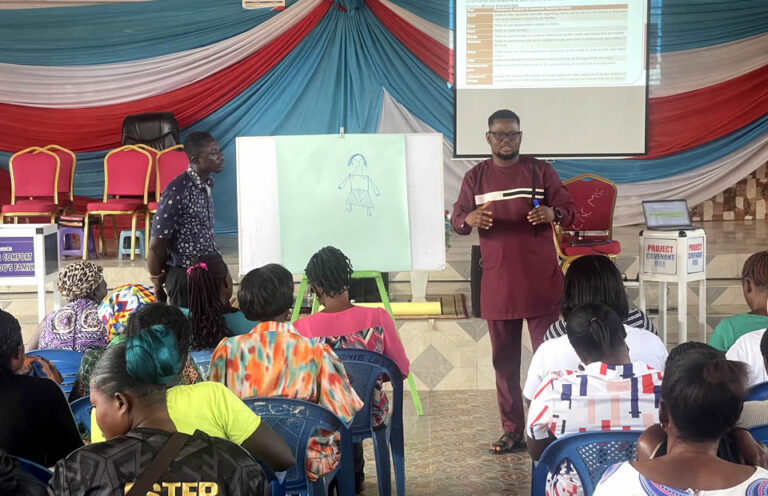
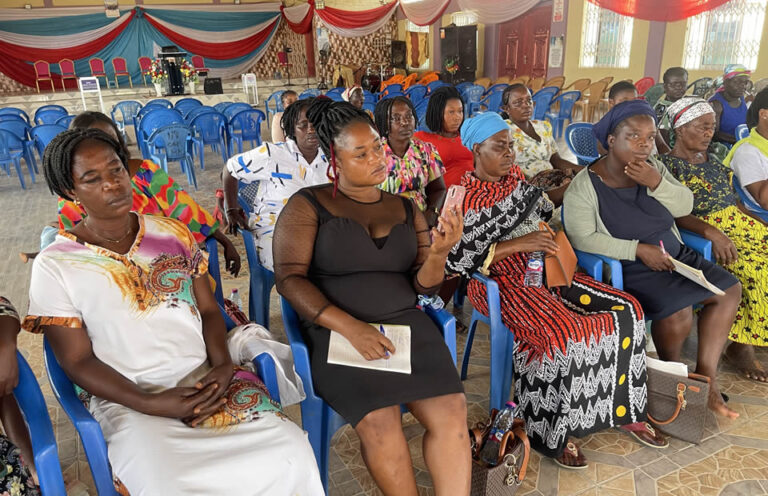
Serving as the intellectual bridge between leadership and livelihoods, the financial literacy session equipped participants with practical tools for sustainable financial growth.
The modules covered; Practical Money Management and Financial Self-Awareness & Mindset
The session concluded with powerful call-and-response affirmations, joyfully reinforcing financial responsibility:
“Before you take a loan — THINK ABOUT IT!”
“Before you take money — USE IT TO WORK!”
✔ Increased leadership confidence
Women are now speaking up, organizing groups, and assuming influence within cooperatives.
✔ Entrepreneurial momentum initiated
Participants are sourcing materials, planning production units, and discussing branding for local markets.
✔ Positive financial behavior shifts
Women reported improved expense tracking, disciplined saving, and reduced impulsive borrowing.
✔ Greater inclusion and visibility
Door-to-door and market-based engagement ensured no woman was left behind.
GRILMaP is a community focused initiative aligned with the Ghana Cocoa Forest REDD+ Programme, designed to empower forest-dependent communities through inclusive leadership, financial resilience, and sustainable livelihood development.
We promise, doesn’t spam you!
©2025, GreenBlissFoundation. All Rights Reserved