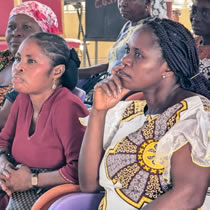
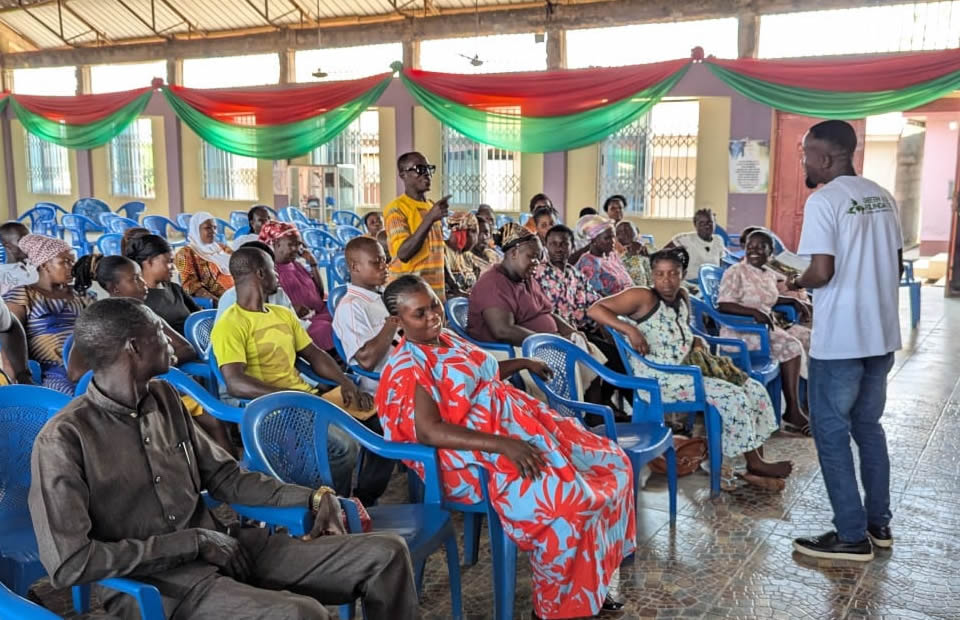
From January 14–24, 2025, the Gender Responsive and Integrated Landscape Management Project (GRILMaP) delivered a comprehensive series of capacity building trainings across five towns in the Ashanti Region, Nyinahin, Nkawie, Tepa, Mankranso, and Wioso.


Backed by the principles of the Ghana Cocoa Forest REDD+ Programme, (GCFRP) which emphasizes environmental sustainability, gender inclusivity, and community empowerment, the GRILMaP initiative continues to strengthen local capacity, enhance economic resilience, and promote responsible resource management within Hotspot Intervention Areas (HIA’s).
The January 2025 trainings were developed in response to the growing need for community driven empowerment initiatives. By integrating GCFRP and REDD+ principles into the curriculum, participants gained a deeper understanding of how sustainable resource management links directly to their livelihoods and community development.
At the start of each session, participants were briefed on the vision of GCFRP and how the program contributes to long-term climate resilience and forest protection. This context helped participants appreciate their roles not only as trainees, but also as active partners in promoting environmental stewardship. The HMB Secretary and Green Bliss team provided insightful talks reinforcing the importance of community involvement in climate action.
The program was organized into three major modules,Leadership, Financial Literacy, and Livelihood Skills. Each module was designed to be practical, participatory, and tailored to the needs of diverse beneficiaries including women, youth, persons with disabilities (PWDs), and small business owners.
Dates: January 14–16 and January 23–24, 2025
Locations: Nyinahin, Nkawie, Wioso
Trainer: Mrs. Amanda Akushie
Participants: 504
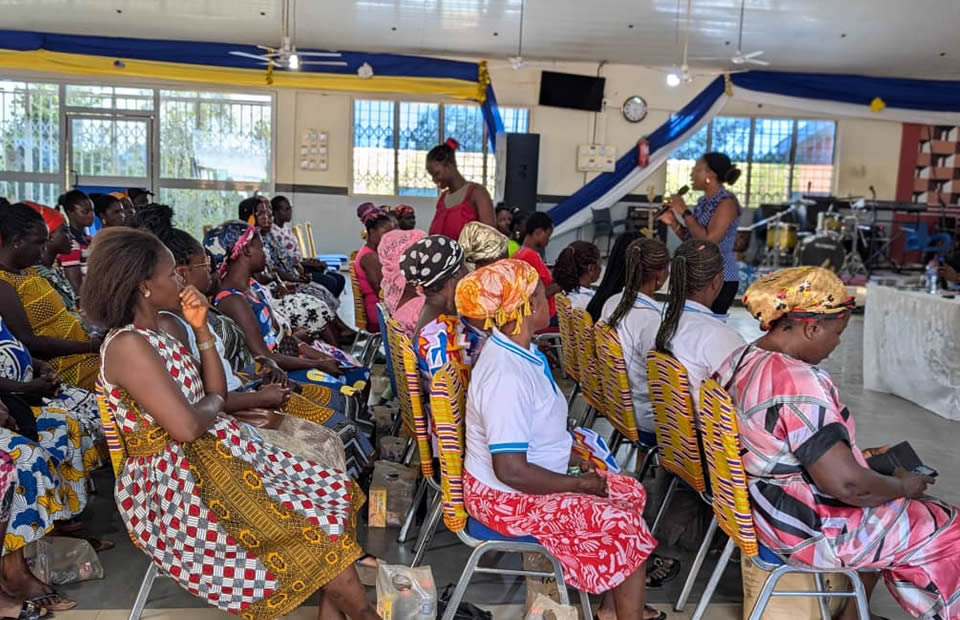
The leadership module equipped participants especially women and youth with the mindset, confidence, and tools needed to take up leadership roles in their communities.
Sessions combined:
• Interactive discussions on leadership values and qualities
• Role-playing scenarios for conflict resolution
• Real-life case studies of transformational leaders
Participants described the sessions as eye-opening and empowering. One participant noted, “Leadership is about inspiring others and solving problems collaboratively. This training has changed my entire perspective.” AGNES GYAMFUA, Nebe.
Date: January 17, 2025
Location: Mankranso
Trainer: Mr. Nii Lante Lamptey
Participants: 97
The Financial Literacy Training focused on equipping participants with practical skills to better manage their personal and business finances. The session emphasized three core areas, budgeting, savings, and responsible borrowing. This is necessary to help participants understand how to track expenses, set realistic financial goals, cultivate a consistent savings culture, and avoid high interest or unplanned debts.
Participants also learned how to make effective use of banking and mobile money services to support their businesses. Through relatable case studies and hands-on exercises, the training simplified financial concepts and empowered attendees to make informed money decisions. Many participants expressed newfound confidence, noting that the lessons would help them reduce wasteful spending, improve savings discipline, and build stronger financial futures for their households and enterprises.
Feedback showed deep appreciation for the relevance and simplicity of the lessons:
“I have realized that I can save more than I thought. My spending was the problem, not my income.” ANNA POKUAA, Kansakrom.
“I now understand how loans work. Before, I just borrowed without planning. This training will change my business.” GIFTY NIMAKO, Atwima Takoradi.
Several participants took immediate steps such as:
• Starting weekly savings
• Using budgeting sheets at home
• Visiting banks for inquiries about savings products
• Reviewing their existing loans for restructuring
• Teaching basic budgeting to their children or household members.
These early actions illustrate the immediate impact of the training.
Financial literacy is not merely about numbers—it is about empowerment. For beneficiaries of GRILMaP, these skills help create a stable foundation for all other interventions, from leadership to livelihood development.
Dates: January 21–22, 2025
Locations: Mankranso, Nkawie
Trainer: Ms. Rebecca Khartey
Participants: 198
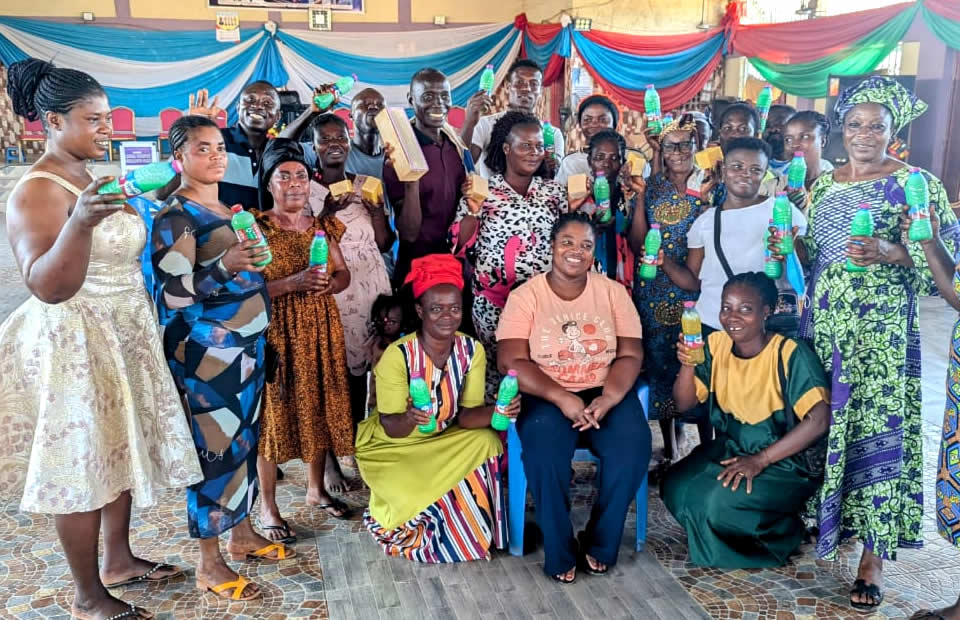
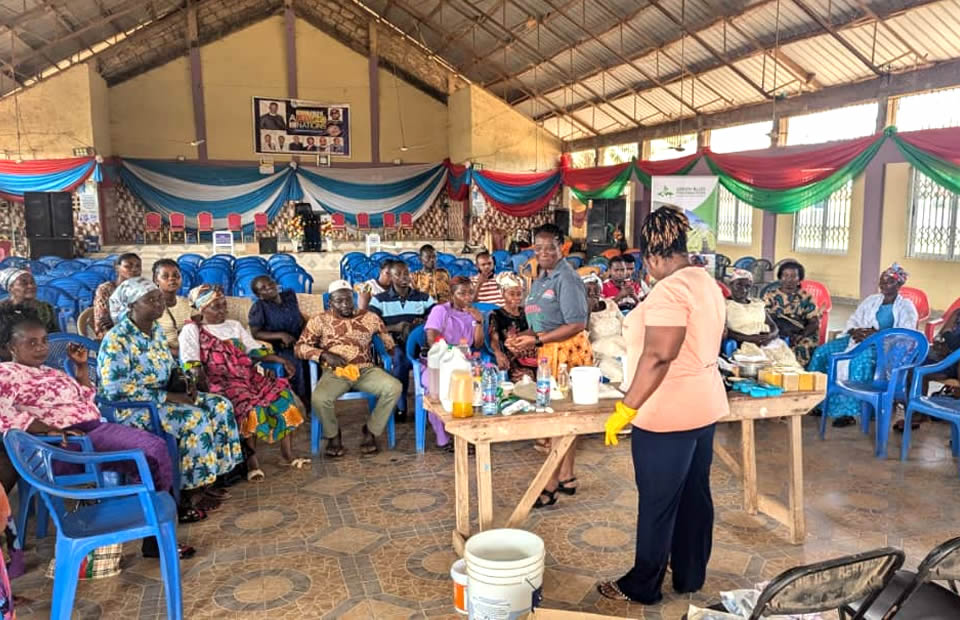
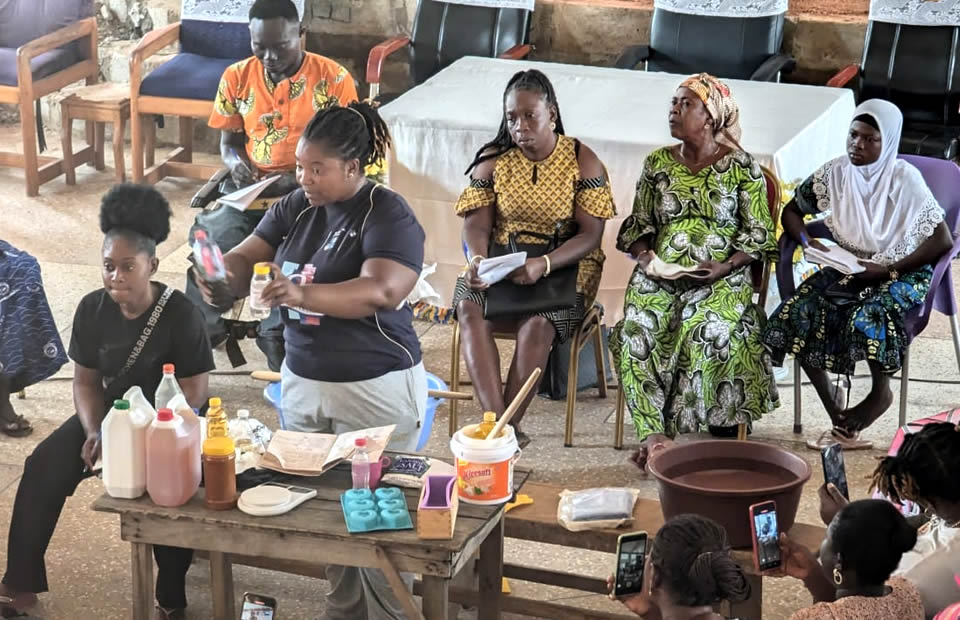
The livelihood training was highly engaging and practical, introducing participants to both the technical and entrepreneurial aspects of soap production. The module covered:
• Step-by-step guidance for producing liquid and bar soaps
• Ingredient handling, mixing, molding, and curing
• Creative product design and packaging
• Techniques for using local resources such as shea butter, cocoa extracts, and essential oils
Participants showcased impressive creativity, experimenting with local scents and innovative designs. The training sparked entrepreneurial ambitions, with some participants planning to start their own soap-making enterprises.

GRILMaP’s approach to combining theory, hands-on practice, and storytelling created a deeply impactful learning experience. Several inspiring stories emerged from the sessions:
• A participant from Tepa launched her soap brand just two weeks after the training, selling locally crafted shea-based soaps to nearby businesses.
• In Nkawie, women leaders inspired by the leadership module began mentorship programs for women at meetings, focusing on self-confidence, leadership, and community service.
• Many women who made up approximately 70% of participants shared that they now feel more equipped to take leadership roles and manage household or business finances more effectively.
These stories reflect how GRILMaP is catalyzing long-term transformation within communities.
✔ Over 600 individuals trained across five towns
✔ Enhanced leadership capacity among women and youth
✔ Improved financial management skills for households and small entrepreneurs
✔ Practical livelihood skills to support income diversification
✔ Strengthened understanding of environmental stewardship through GCFRP principles.
The program has significantly boosted confidence, creativity, and economic opportunities for participants across hotspot communities.
GRILMaP’s January 2025 training programs have demonstrated the transformative potential of community-centered capacity building. By empowering participants with leadership competencies, financial resilience, and practical livelihood skills, the project is laying a strong foundation for sustainable development within the Ashanti Region
The success stories emerging from the training underscore the program’s long-term value: confident leaders, financially empowered households, and budding entrepreneurs ready to contribute to stronger, more resilient communities. GRILMaP continues to be a powerful catalyst for change driving community empowerment, economic growth, and environmental stewardship across Ghana’s hotspot intervention areas
We promise, doesn’t spam you!
©2025, GreenBlissFoundation. All Rights Reserved