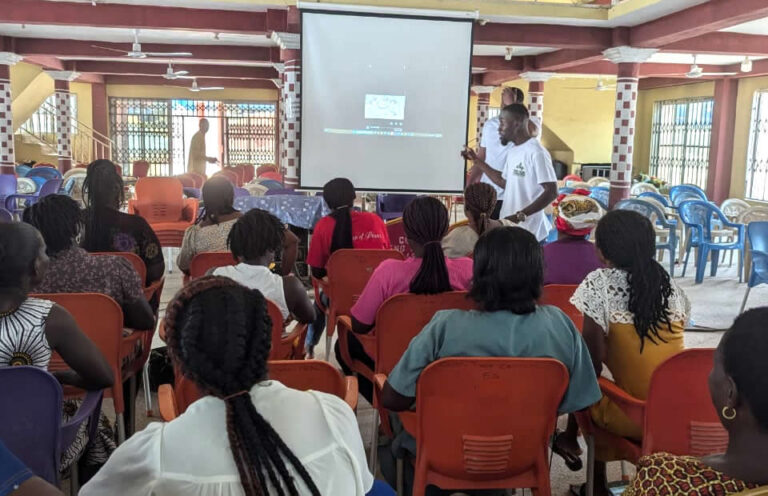
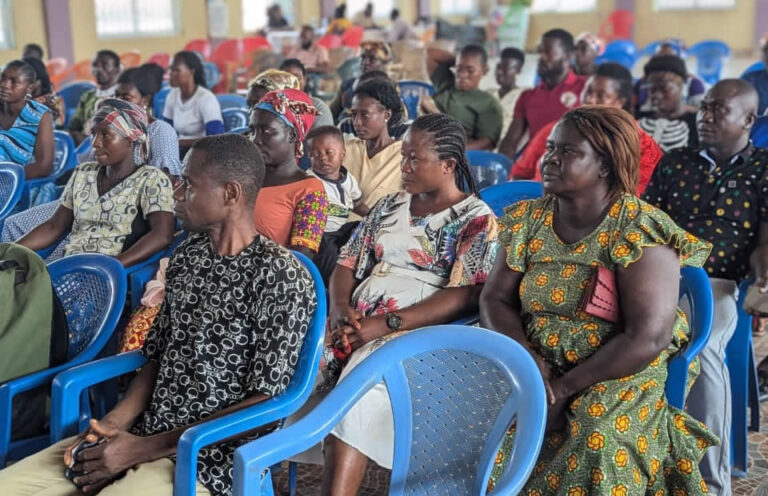
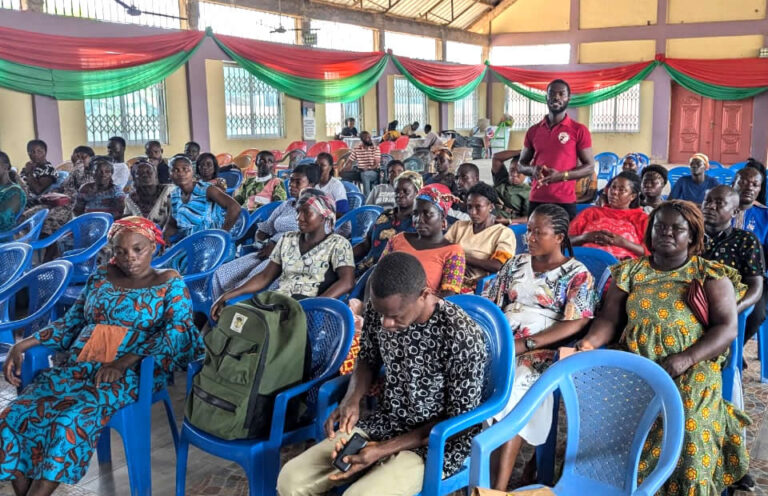
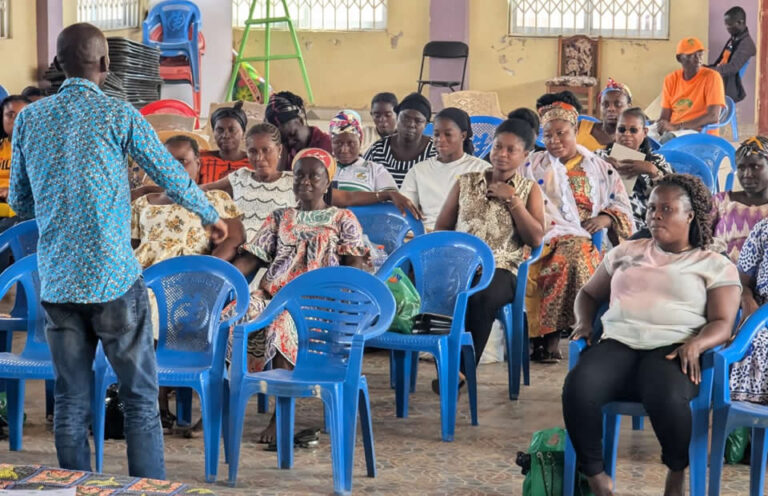
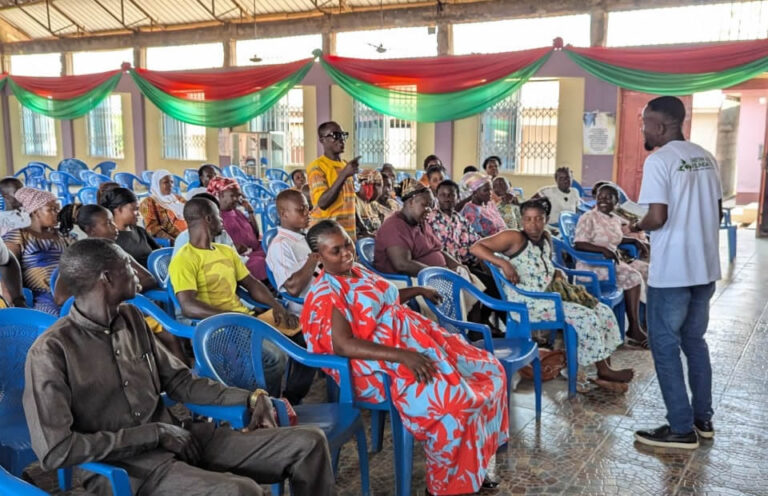
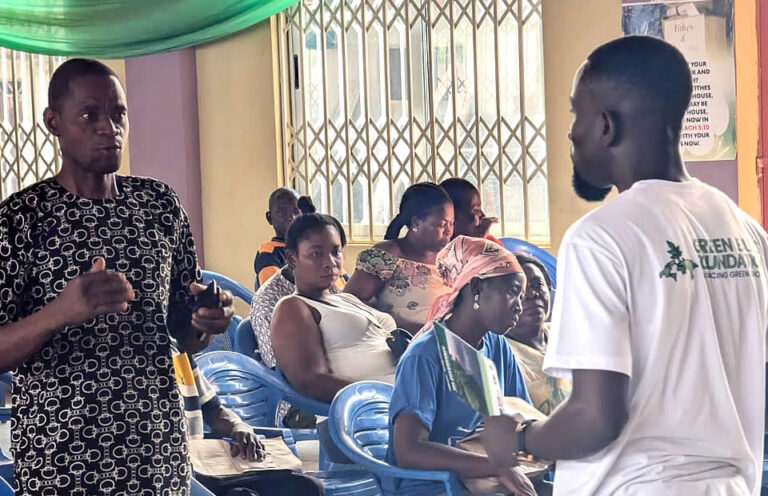
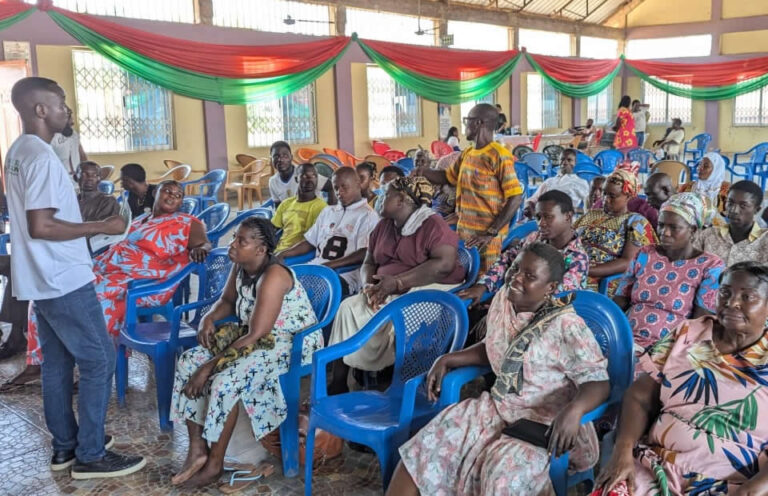
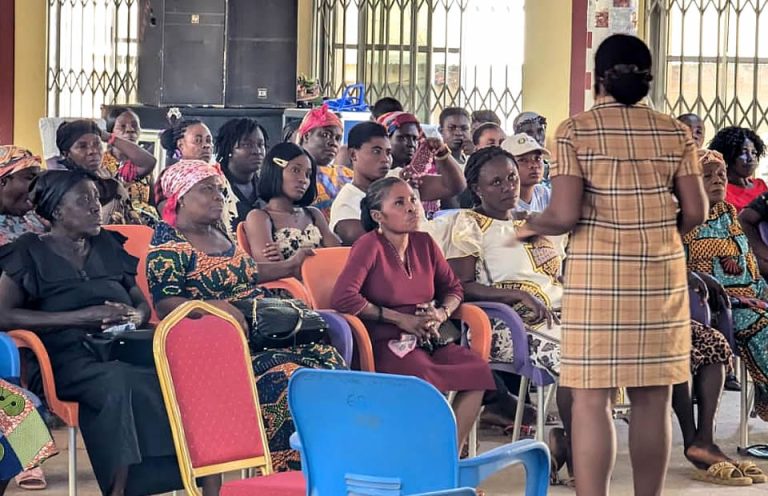
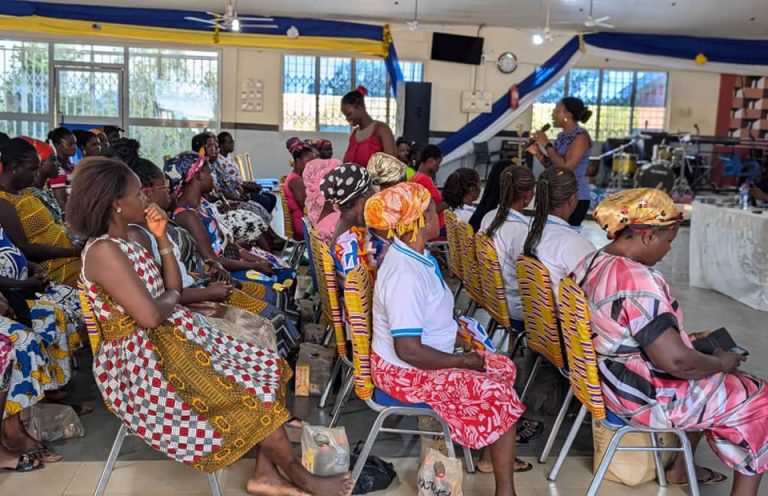
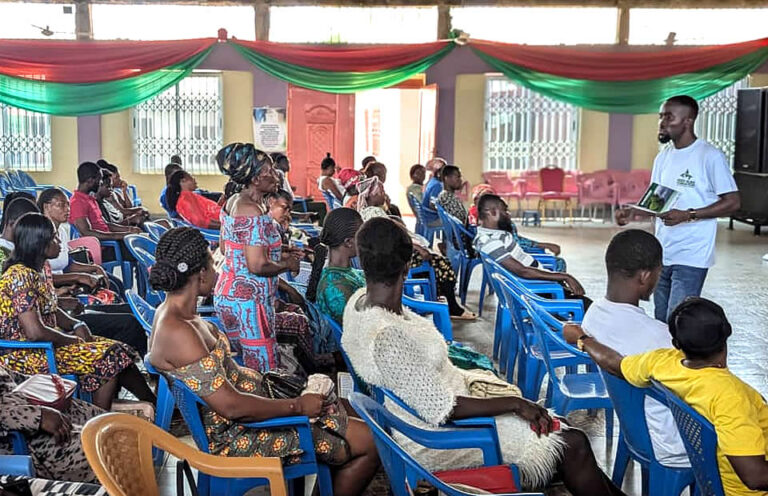
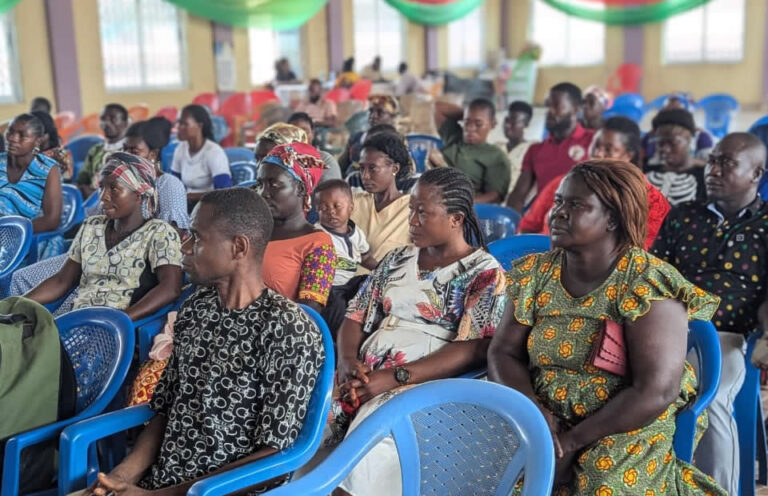
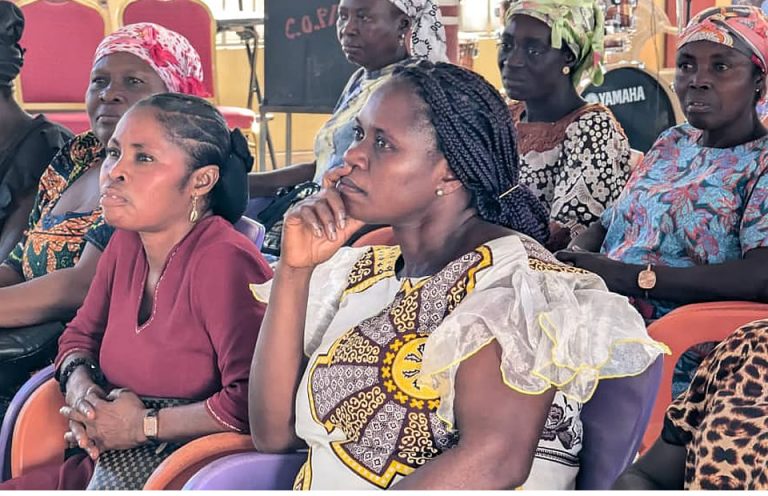
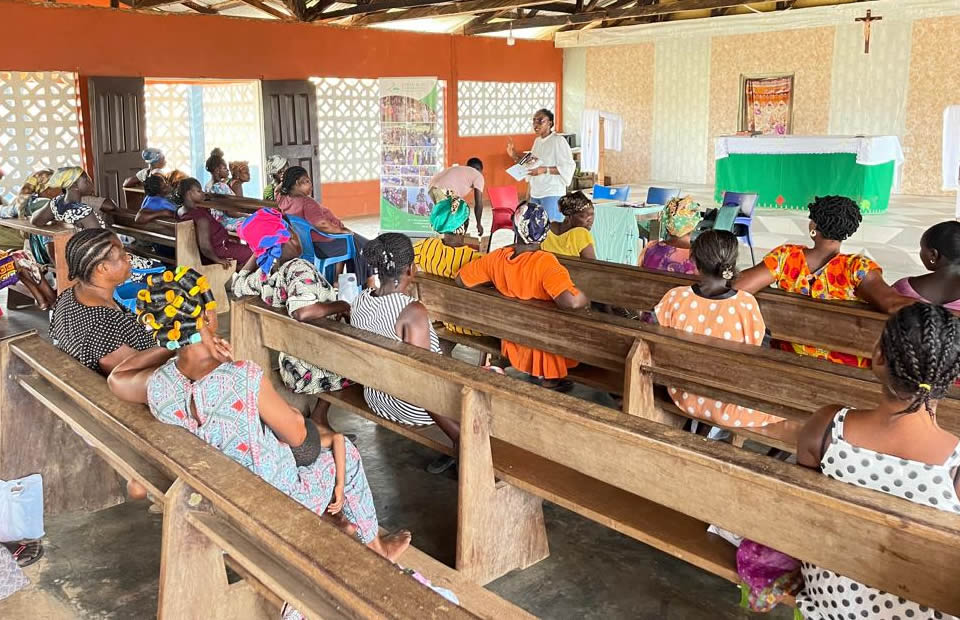
Between 14th and 24th January 2025, the Gender Responsive and Integrated Landscape Management Project (GRILMaP) delivered an integrated capacity-building programme across five hotspot communities in the Ashanti Region.


GRILMaP reached more than 1,800 community members through a combination of direct training sessions and downstream community engagements. The trainings took place in Nyinahin, Nkawie, Tepa, Mankranso, and Wioso and were implemented by Green Bliss Foundation, in collaboration with Tropenbos Ghana, under the framework of the Ghana Cocoa Forest REDD+ Programme (GCFRP).
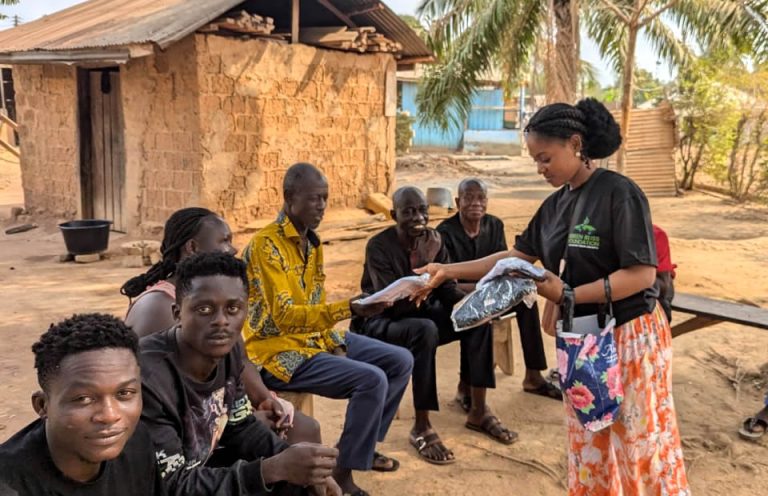
GRILMaP adopted a cascade (downstream) training approach to maximize community impact and knowledge transfer. Core training sessions were complemented by downstream community engagements led by GBF team, reaching an additional 1,005 community members across the project locations.
These training programs, implemented by the Green Bliss Foundation in collaboration with Tropenboss, equipped more than 1800 participants with essential skills in leadership, financial literacy, and sustainable livelihood development.
This approach significantly expanded outreach, ensuring that knowledge and skills gained through the programme were shared widely within communities, contributing to an overall reach of more than 1,800 beneficiaries.
The January 2025 trainings focused on leadership development, financial literacy, and sustainable livelihood skills, targeting women, youth, persons with disabilities (PWDs), and small-scale entrepreneurs living within Hotspot Intervention Areas (HIAs).
At the start of each training session, participants were introduced to the objectives of the GCFRP and REDD+, highlighting the link between sustainable natural resource management, climate resilience, and improved livelihoods. Representatives from the HMB Secretariat, together with the Green Bliss Foundation team, emphasized the importance of community participation in forest protection and climate action.
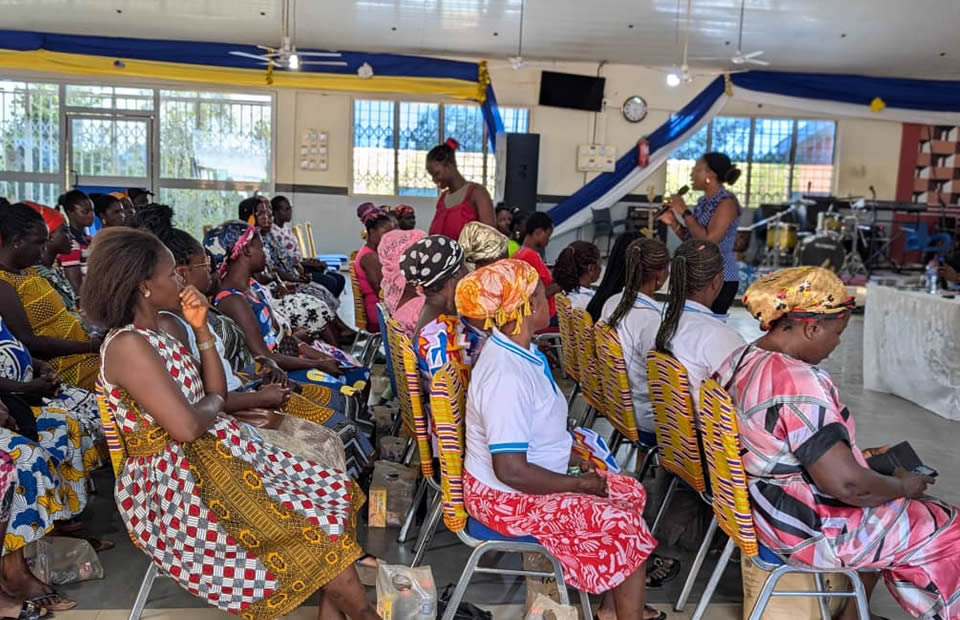
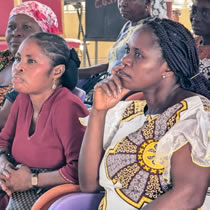
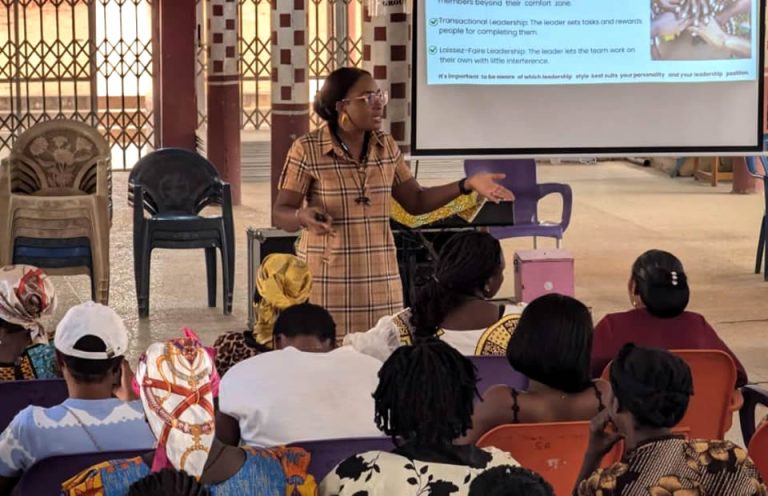
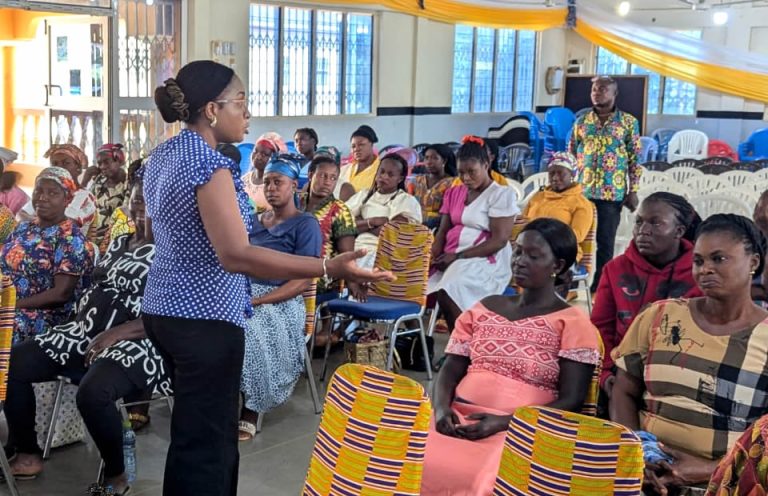
Leadership development sessions were delivered in Nyinahin, Nkawie, and Wioso, focusing on building confidence, communication skills, and collaborative problem solving. Through interactive discussions, role-play, and real-life case studies, participants particularly women and youth were encouraged to take on leadership and advocacy roles within their communities.
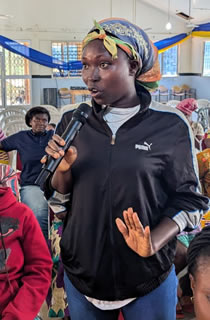
“Leadership is about inspiring others and solving problems collaboratively. This training has changed my entire perspective,” said Agnes Gyamfua, a participant from Nebe.
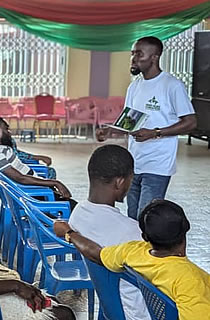
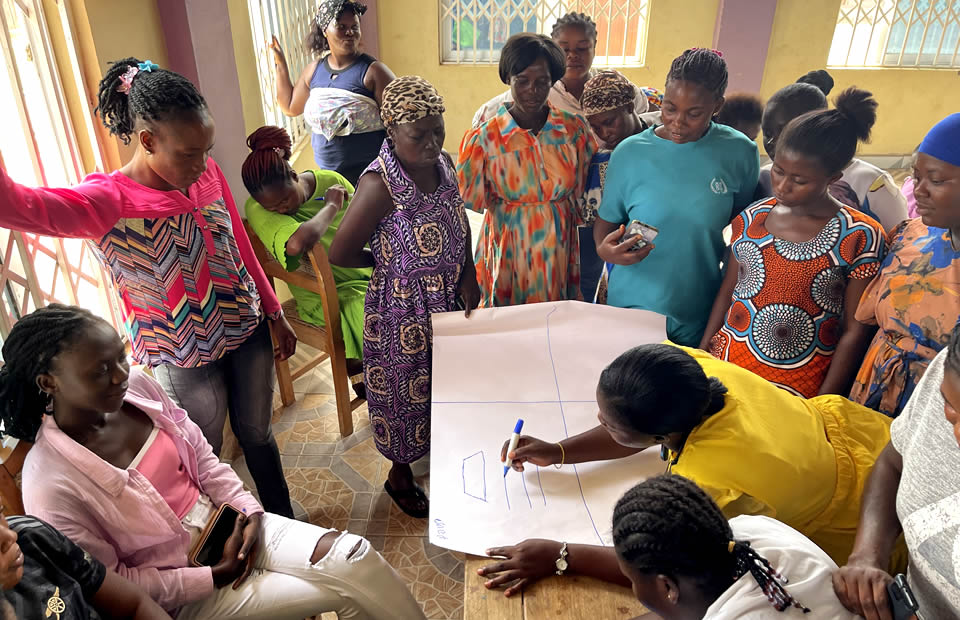
The Financial Literacy training held in Mankranso equipped participants with practical skills in budgeting, savings, and responsible borrowing, while promoting the effective use of banking and mobile money services.
Participants reported immediate behavioral changes, including improved savings habits, better expense tracking, and more informed borrowing decisions with key foundations for long-term economic resilience.
Feedback showed deep appreciation for the relevance and simplicity of the lessons:
“I have realized that I can save more than I thought. My spending was the problem, not my income.” ANNA POKUAA, Kansakrom.
“I now understand how loans work. Before, I just borrowed without planning. This training will change my business.” GIFTY NIMAKO, Atwima Takoradi.
Several participants took immediate steps such as:
• Starting weekly savings
• Using budgeting sheets at home
• Visiting banks for inquiries about savings products
• Reviewing their existing loans for restructuring
• Teaching basic budgeting to their children or household members.
These early actions illustrate the immediate impact of the training.
Financial literacy is not merely about numbers—it is about empowerment. For beneficiaries of GRILMaP, these skills help create a stable foundation for all other interventions, from leadership to livelihood development.
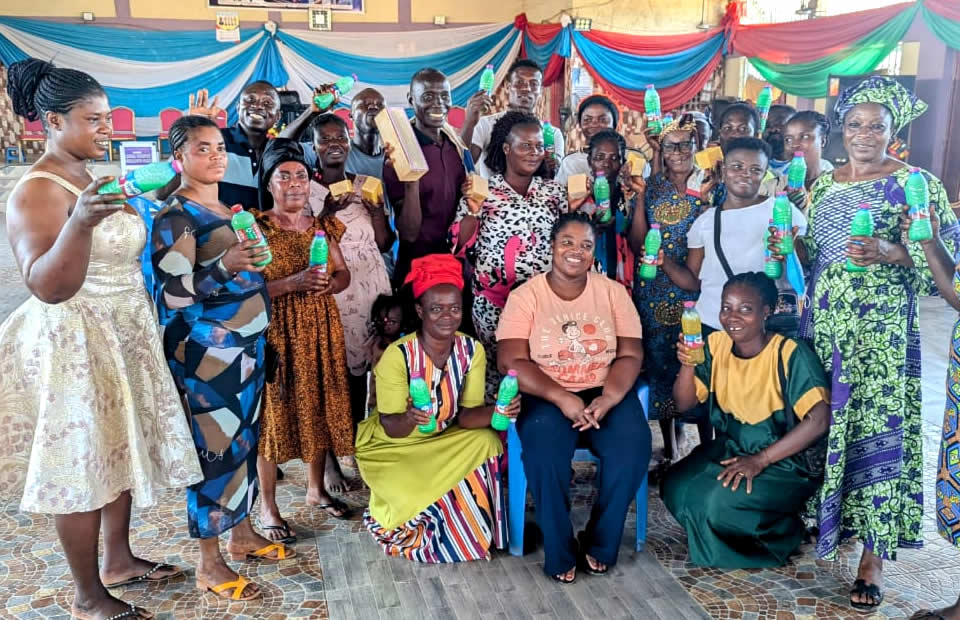
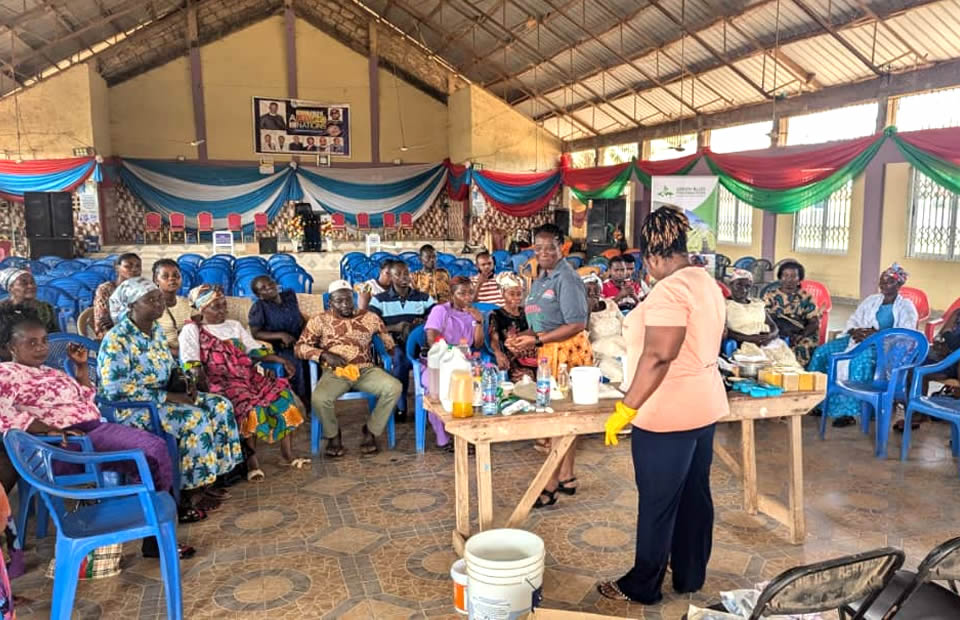
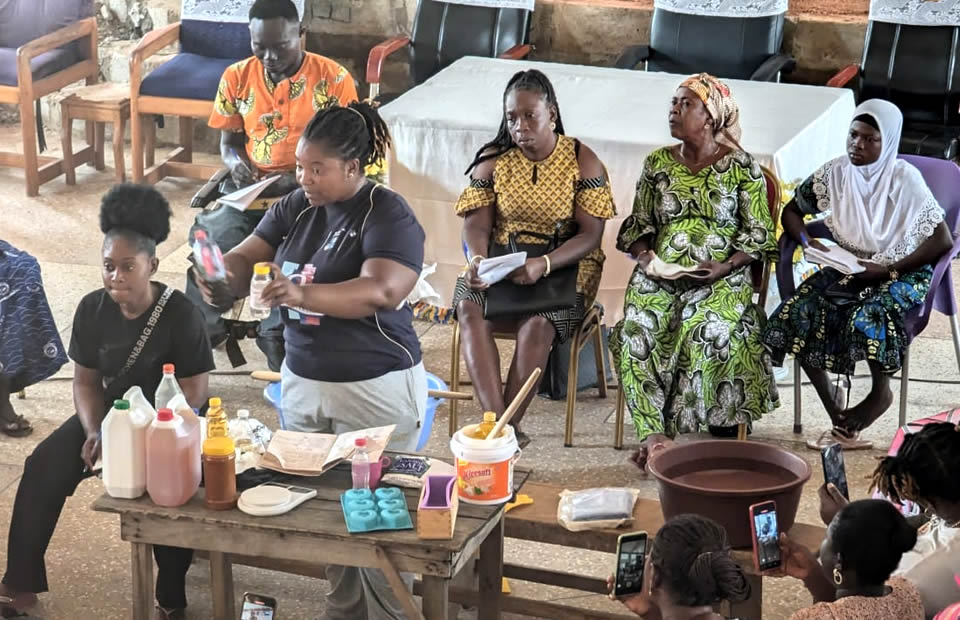
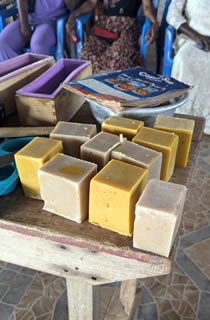
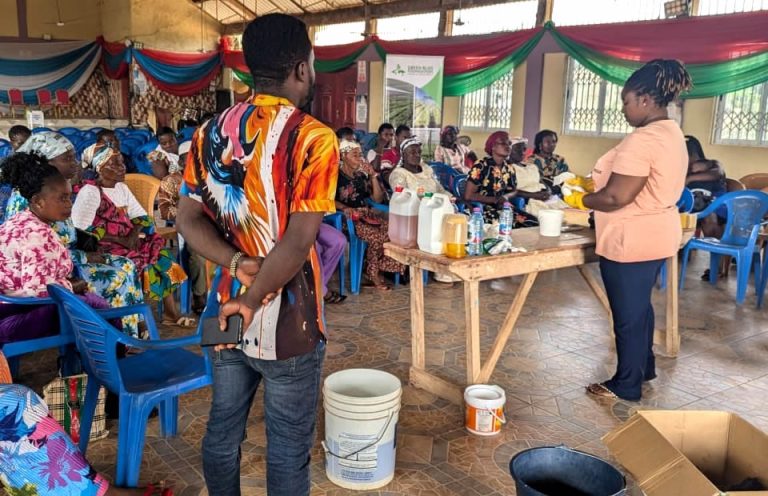
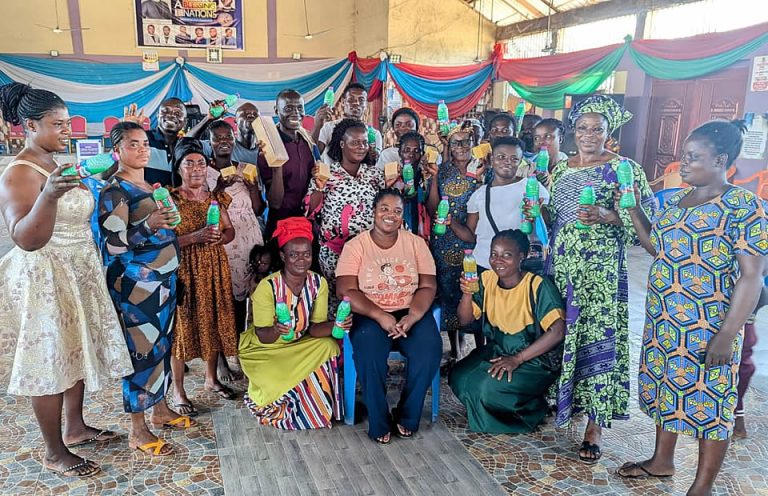
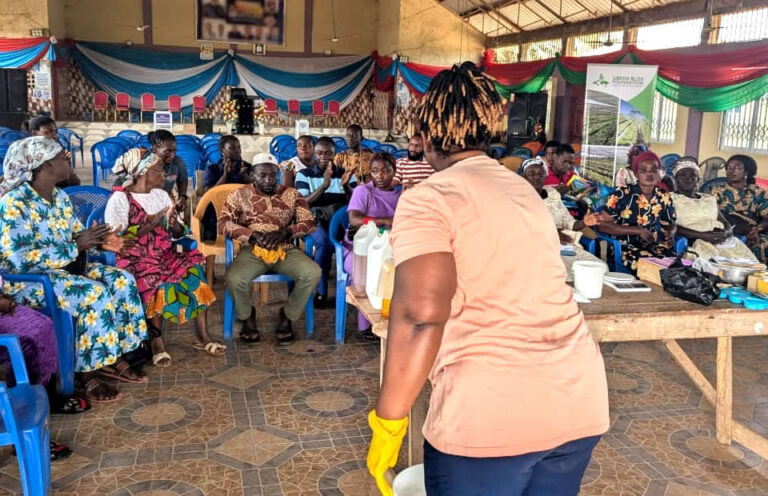
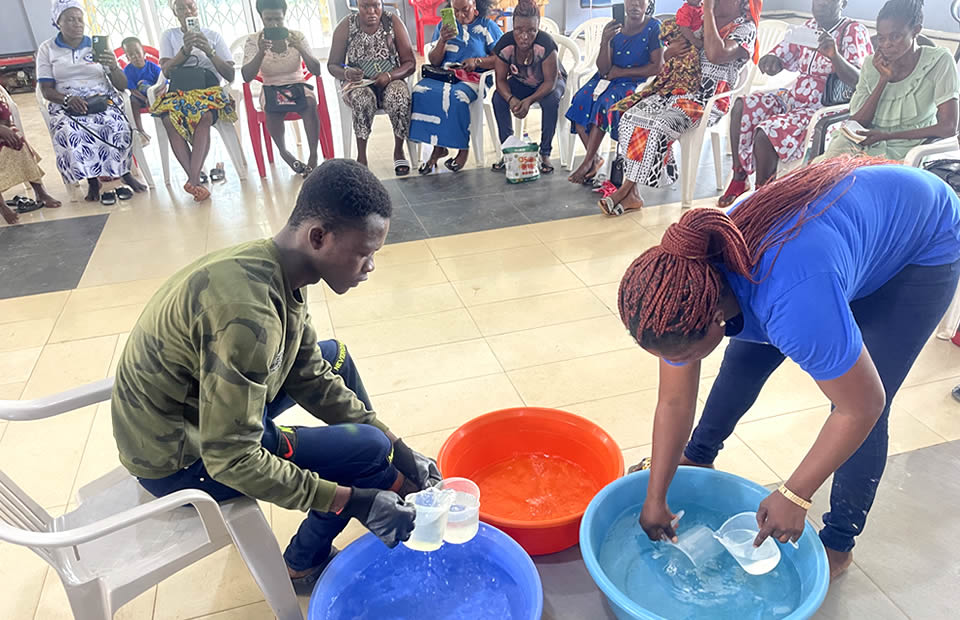
Livelihood training in liquid and bar soap production was conducted in Mankranso and Nkawie, providing hands on instruction in soap formulation, product design, packaging, and the use of locally available materials such as shea butter and cocoa extracts.
The training sparked entrepreneurial interest, with several participants expressing plans to start or expand small scale soap making businesses within their communities.
Early outcomes from the combined direct and downstream trainings include:
• Community members initiating peer learning and mentorship activities.
• Improved financial management practices at household level.
• Increased interest in income generating activities linked to sustainable resource use.
• Greater awareness of environmental stewardship and climate responsibility.
Women accounted for a significant proportion of participants, reinforcing GRILMaP’s gender-responsive and inclusive approach.
✔ Over 1,800 community members reached
✔ 1,005 individuals engaged through downstream (cascade) training
✔ Strengthened leadership and community participation
✔ Improved financial literacy and decision making
✔ Practical livelihood skills to support income diversification
✔ Enhanced understanding of environmental sustainability under GCFRP.
The program has significantly boosted confidence, creativity, and economic opportunities for participants across hotspot communities.
GRILMaP is a community focused initiative aligned with the Ghana Cocoa Forest REDD+ Programme, designed to empower forest-dependent communities through inclusive leadership, financial resilience, and sustainable livelihood development.
We promise, doesn’t spam you!
©2025, GreenBlissFoundation. All Rights Reserved